Thailand’s ฿3 Million Property Visa Is Suspended. Here’s Why I Wouldn’t Panic.
There has been a lot of talk about Thailand’s ฿3 million property investment visa following an official notice issued on 2 October.
The first thing I would say is: don’t panic.
The door has not been closed. The programme has been temporarily suspended while Thai Longstay Management waits for clarification from the relevant authorities, following a change in senior management at the Immigration Bureau.
And personally, I hope that clarification comes quickly.
This programme makes sense for Thailand

I’ve always thought this was a great opportunity, not just for foreign investors, but for Thailand itself.
You are encouraging foreigners to invest a meaningful amount of money into Thai property and, more importantly, giving them a reason to actually live here.
These aren’t tourists coming for two weeks and leaving. They buy property. They furnish it. They eat in restaurants. They use hospitals, international schools, supermarkets, golf courses, beach clubs, gyms and local services. They employ people and spend their money in the Thai economy.
For developers, it also creates another route to move completed inventory to genuine long term international buyers.
There is a tax benefit for Thailand too

If somebody spends 180 days or more in Thailand during a calendar year, they will generally become a Thai tax resident under Thailand’s Revenue Code.
Many international residents earn some or all of their income overseas. Depending on their circumstances, whether that income is remitted into Thailand, and any applicable double taxation agreement, foreign sourced income can become subject to Thai taxation.
So Thailand isn’t only attracting somebody who buys a condominium. It’s potentially attracting a long term resident who brings overseas wealth into the country, spends locally and may also become part of the Thai tax system.
That’s another reason why I think Immigration should provide clarity relatively quickly.
Not every property qualifies

You can’t simply buy any ฿3 million property in Thailand and automatically qualify.
Thai Longstay’s published programme has specific investment structures and a defined list of participating property developers. Its published list includes major names such as Sansiri, AP, SC Asset, Origin, Pruksa, MQDC, Ananda, AssetWise and Ornsirin, alongside several others.
If the visa forms part of your reason for investing, check the property and structure before you buy.
What about people who have already invested?
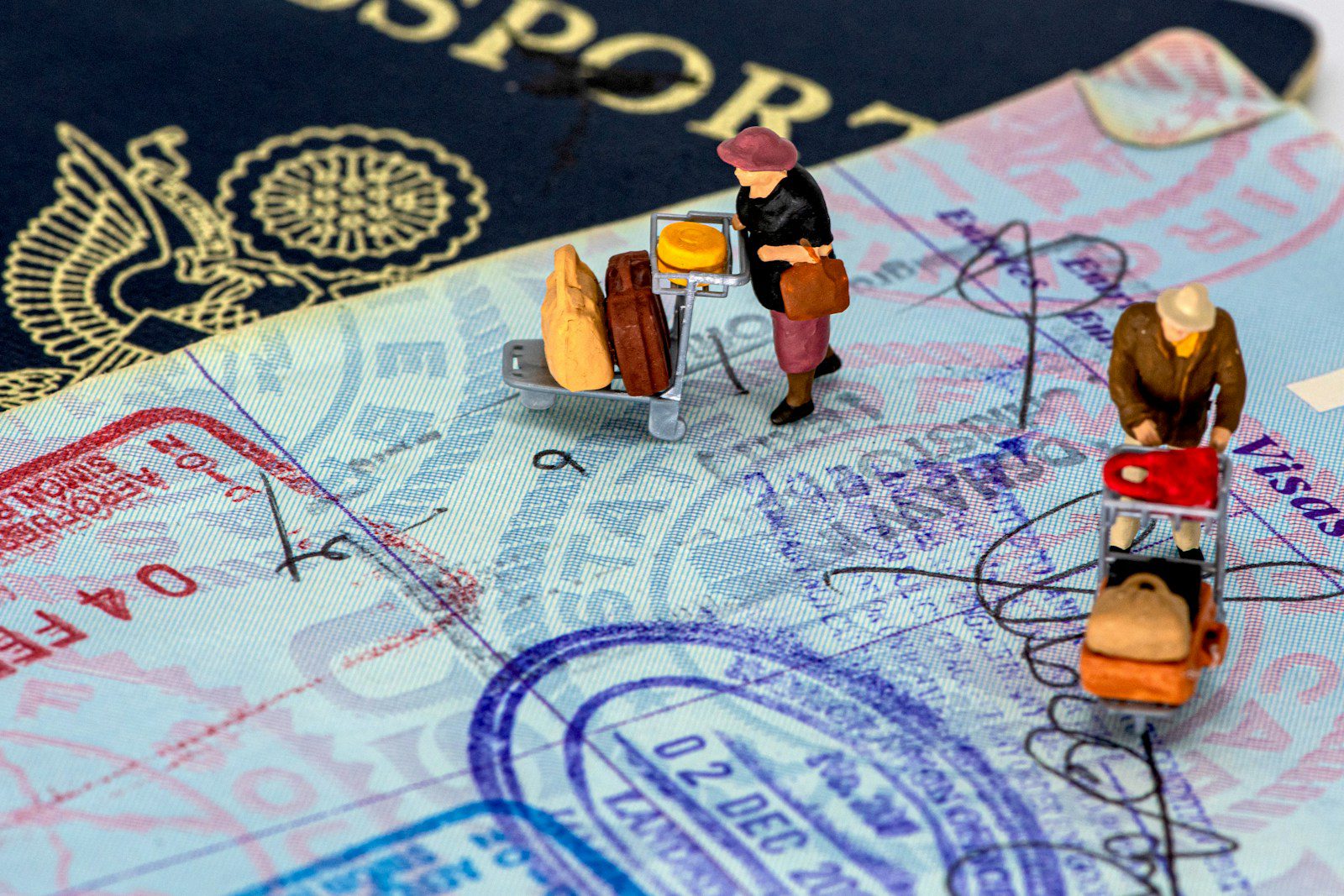
This is where the suspension will create the most questions. There are buyers who invested in qualifying developments expecting the visa to form part of their long term plans in Thailand.
If you’re in that position, I wouldn’t panic. Thai Longstay Management specifically says applicants whose existing permission to stay is approaching expiry will be considered and coordinated case by case.
But I would be mindful. Check your existing visa or permission to stay. If you’re travelling in and out of Thailand, plan your trip accordingly. And don’t assume an application will currently be processed in exactly the same way as before.
There are still other ways to stay in Thailand
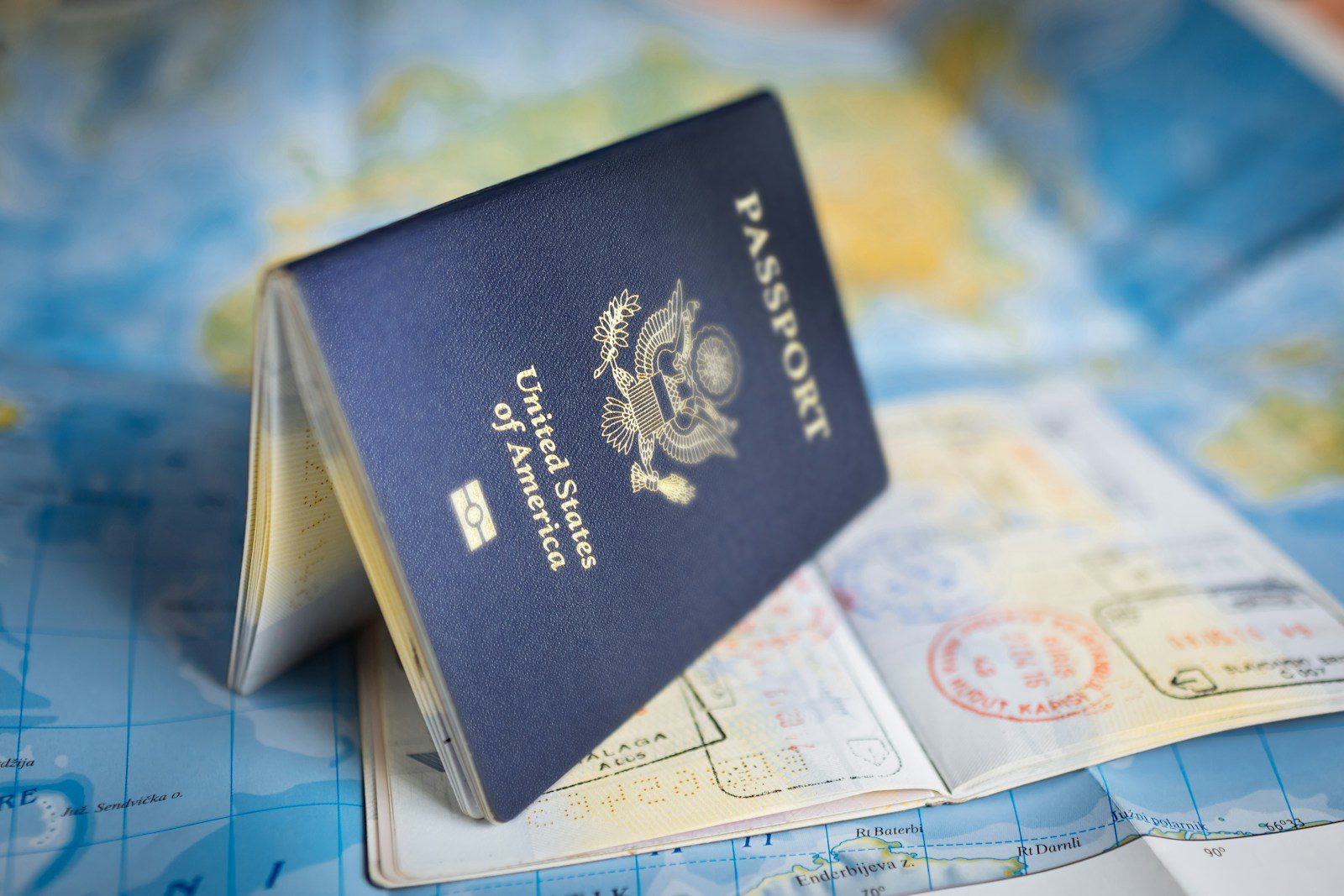
If you’re 50 or over, retirement based visa options remain available, subject to the relevant financial and other requirements. Property ownership isn’t the basis of the retirement visa, so you don’t need to buy to access that route.
For people under 50, the Destination Thailand Visa, or DTV, can be a very useful option for those who qualify. It isn’t a direct replacement for the property programme, but it gives eligible people another way of spending substantial time in Thailand.
Then, for higher net worth applicants, there is the Long Term Resident Visa, or LTR. It can provide qualifying applicants with residence privileges for up to 10 years. Under the Wealthy Global Citizen category, the requirements include at least US$500,000 invested in Thailand, alongside other financial and eligibility requirements. That’s a very different level of applicant compared with the ฿3 million programme.
Thailand is still Thailand

We all know and love Thailand. For millions of people around the world, living here remains the dream. I understand that personally because I chose to build my life, family and businesses here.
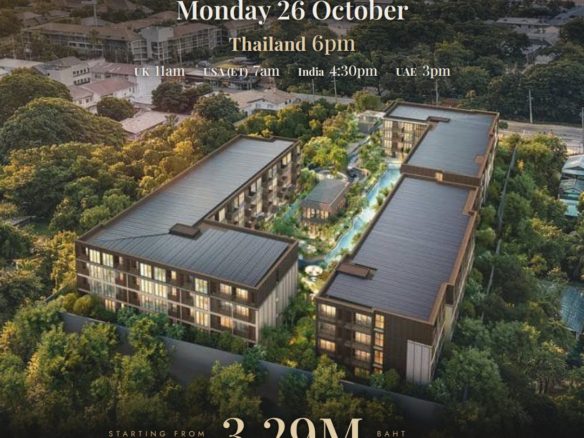
And from a property perspective, I’m still incredibly positive. Particularly in Phuket, the quality of new developments has changed dramatically. We’re seeing resort style condominiums, branded residences, professional management and international hospitality brands, including developments where qualifying units can be purchased by foreigners on a freehold basis.
None of that disappeared because of this announcement.
An important note for anyone buying now

Do not purchase a property today on the assumption that doing so will guarantee you a visa under the ฿3 million programme.
We don’t yet know when applications will resume, whether the requirements will remain the same, or whether Immigration will introduce new criteria. Even before the suspension, buying a property never meant a visa was automatically granted. Approvals sit with the Immigration Bureau.
If a particular visa is essential to your purchase, wait for official clarification, and get independent immigration and legal advice for your own circumstances.
So what would I do now?
If I were looking at buying in Thailand, I wouldn’t stop looking because of this news. I would simply separate two decisions.
First: is this a property I genuinely want to own, and does the investment make sense for me?
Second: which visa route is currently available and most appropriate for my circumstances?
The ฿3 million programme brought those two decisions together very neatly. For the moment, that route is paused. The investor gets the chance to own in a country they want to spend a big part of their life in, with a long stay solution attached, and Thailand gains a long term resident. That seems like a pretty good exchange to me.
So for now, don’t panic, plan accordingly, and watch this space. I’ll be keeping our clients updated as soon as reliable information comes through. If you’d like to talk through your own situation, get in touch with me here.
Asa Marsh
Agency Owner
Easy Living Phuket
Disclaimer: This article is general commentary and information only. It is not legal, immigration, tax or investment advice. Visa rules, eligibility requirements and government policies can change, and individual circumstances differ. Buyers should independently verify current requirements with the relevant Thai authorities and obtain appropriate professional advice before making a property purchase or relying on any particular visa route.