If you want to live in Thailand for most of the year and you are not moving here for a Thai job, I think the 3 million baht investment visa is the best option for most long term expats in 2026. You buy a home worth at least 3 million baht, and that home supports a one year permission to stay that you renew each year for as long as you keep it. In Phuket, applications are being accepted. The only place the route is paused is Bangkok.
I have been living in Phuket for around 15 years, and how to stay matters as much as what to buy. This is how the route works, what it costs, how it compares with the other long stay visas, and who it does not suit.
What the 3 million baht investment visa is
Its official name is the Longstay Investment Visa. It is issued under the Non Immigrant B investment category, as a joint initiative of the Ministry of Tourism and Sports, the Immigration Bureau and Thailand Longstay Management Co., Ltd., the company that runs the programme. The rules sit in Immigration Bureau Orders 237/2568 and 238/2568, both dated 1 October 2025.
You qualify with real estate worth at least 3 million baht in one of three forms:
- Buying a condominium unit, registered in your name, at a purchase price of 3 million baht or more.
- Leasing a condominium unit or a house for more than 3 years, with at least 3 million baht of rent paid in advance over the lease term.
- A registered right over a condominium unit or a house, known in Thai as sap ing sitthi, of up to 30 years per term, with at least 3 million baht paid in advance.
The contract has to be made on or after 1 October 2025, and the other party has to be a Thai individual or a Thai company. For most buyers the simplest is the first option, a freehold condominium in their own name. Thai law allows foreigners to own condominium units freehold within each building’s foreign quota of 49 percent.
It is important to be clear about what this is not. It is not permanent residency and it is not citizenship. It is a renewable permission to stay, and each decision sits with Immigration.
How the stay works
Once the purchase is registered, the programme checks your file and arranges certification from the Ministry of Tourism and Sports. Immigration then grants a first permission to stay of 90 days. Before that runs out, you file for a 12 month extension, and from then on the extension renews every year while you still hold the qualifying property. The file goes to the immigration office in the province where the property is, so a Phuket condominium is handled in Phuket.
Two conditions matter in daily life. Holders report to Immigration every 90 days. And the visa does not allow you to work in Thailand.
For the full step by step, our team at Easy Living Phuket has written a detailed guide: Phuket Property Investment Visa: How the 3 Million Baht Condo Route Works.
Bringing your family
One qualifying property can bring the people you live with. Your spouse, your unmarried children up to 20 years of age who live with you, and your parents aged 50 or over can be included without a separate investment. Dependants are added once you, as the main applicant, hold the full 12 month extension. Marriage and birth certificates issued abroad must be certified, translated into Thai and certified again by the Ministry of Foreign Affairs, so start that paperwork early.
What it costs to keep
The big number is the property itself, and that money stays in an asset you own and live in. The running cost is modest. Thai Longstay charges a one off membership of 6,000 baht and a visa fee of 27,000 baht per person for each 12 month cycle, and those fees apply to each family member as well.
Open in Phuket, paused in Bangkok
On 2 October 2026, Thai Longstay temporarily suspended new applications while it waited for clarification from the authorities. I wrote about it at the time: Thailand’s 3 Million Baht Property Visa Is Suspended. Here’s Why I Wouldn’t Panic.
On 21 October 2026, Thai Longstay confirmed that the suspension no longer applies to properties outside Bangkok, and applications and extensions resumed. The requirements did not change. Bangkok remains the exception for now. You can read my update here: Thailand’s 3 Million Baht Property Visa Is Back.
So in Phuket the route is open today. If you have been waiting because of the October headlines, that wait is over here.
How it compares with the other long stay visas
No visa is right for everyone, so here is a fair comparison using the published figures.
| Visa | What you need | Length of stay | Main limits |
|---|---|---|---|
| 3 million baht investment visa | Property of 3 million baht or more; 27,000 baht a year per person | 1 year, renewed each year | No work; report every 90 days; paused in Bangkok |
| LTR, Wealthy Global Citizen | US$500,000 invested in Thailand and US$1 million in assets; 50,000 baht visa fee | 5 years plus 5 years | High entry level |
| Thailand Privilege | Membership fee from 650,000 baht (5 years) to 5 million baht (20 years) | 5 to 20 years, by tier | The fee is spent, not invested |
| Retirement, Non Immigrant OA | Age 50 or over; 800,000 baht in the bank or 65,000 baht a month income; health insurance of 3 million baht or US$100,000 | 1 year | Age limit; no work |
| Long Stay, Non Immigrant OX | Age 50 or over; one of 14 nationalities; 3 million baht deposited in a Thai bank, or 1.8 million baht plus 1.2 million baht a year income | 5 years plus 5 years | Age and nationality limits; no work |
| Destination Thailand Visa, DTV | 500,000 baht in funds; 10,000 baht visa fee; remote work, freelance or a Thai soft power activity | Visa valid 5 years; 180 days per entry, extendable once by 180 days | You must leave and come back in |
The Long Term Resident visa is excellent if you qualify. It gives ten years, a yearly report instead of every 90 days, and a digital work permit. But US$500,000 invested and US$1 million in assets is a very different buyer from the one I am writing for here. I explain that route in detail in my article on the Wealthy Global Citizen programme.
Thailand Privilege is simple and long, but the membership fee is spent. With the investment visa, your 3 million baht is sitting in a home you can live in, and potentially rent out when you are away, subject to the building’s rules and Thai rental law.
The retirement visas work well if you are 50 or over. The OX route even asks for the same 3 million baht, but it has to sit in a Thai bank and it is limited to 14 nationalities. Anyone under 50, including most families with children in school, is simply closed out of those routes.
The DTV is a useful visa for remote workers and freelancers, and it costs very little. But each stay is limited to 180 days plus one extension, and then you have to leave Thailand and enter again. For a family that wants to settle in one place, that is not the same as a home that keeps renewing your stay.
That is why I say the investment visa is the best fit for most long term expats. It has no published age limit, the entry level is within reach of a normal successful career, and the money goes into a property rather than a fee.
Who it does not suit
I would not recommend it to everyone. If you need to work for a Thai employer or run a business here, you need a route with work rights, such as the LTR or a work permit. If you want to live in Bangkok, the route is paused there for now. And if you are buying off plan, remember the visa follows the title deed, so your stay only starts once the building is finished and the unit is transferred into your name.
It is also worth being honest about policy risk. October showed that the programme can be paused at short notice. Do not assume the rules will stay the same forever, and keep your other options in mind.
What qualifying property can look like in Phuket
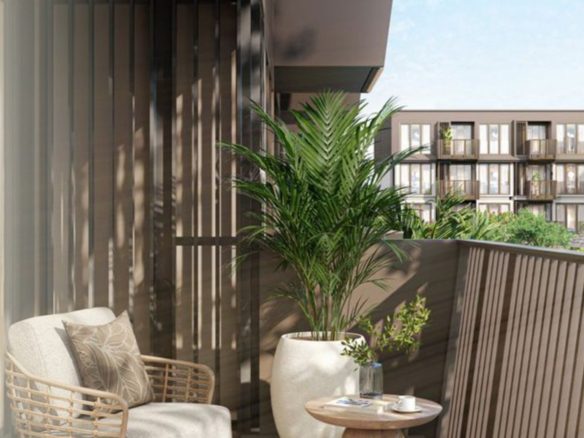
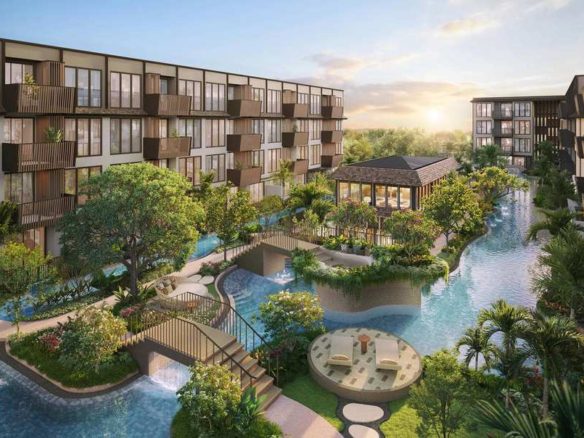
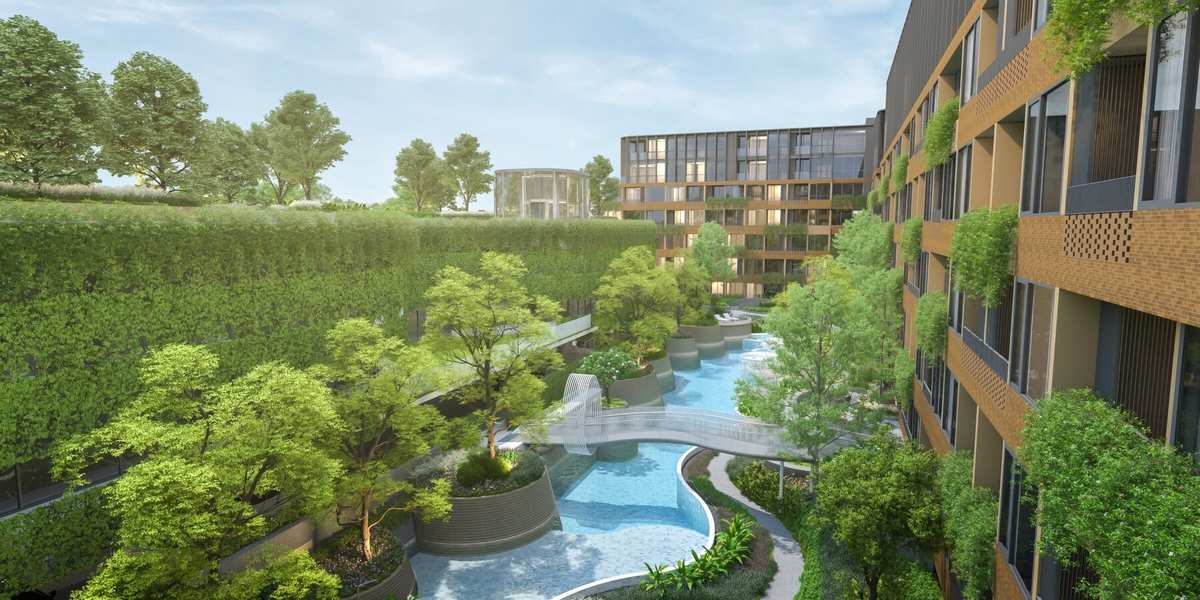
Thai Longstay publishes a list of participating developers, and Ornsirin is on it. Its Arise Vibe community in Si Sunthon, Thalang, is a useful example of the kind of home that fits the route. It has 411 homes, from studios to two bedrooms, in three buildings of 7 floors, beside The Backyard community mall. PhuketNow covered the area in What’s Coming to Thalang: The Projects Reshaping North Phuket.
More than 85 percent of Arise Vibe is sold. On the developer’s availability list of 3 November 2026, the remaining freehold homes start at 5.88 million baht for a two bedroom city view unit, comfortably above the 3 million baht threshold. Homes are ready to move in from January 2027, so a buyer there could apply after transfer.
Arise Verve, the second phase, is a 7 storey building on the same site. It is coming soon and has no published prices yet. As an off plan purchase, any visa application would start after completion and transfer, not at the point of reservation.
These are examples, not the only choice. There are many qualifying homes across the island, and you can start from our Property in Phuket page.
Checks before you buy for the visa
- The price on the sale contract is 3 million baht or more for a single unit.
- The unit is sold within the building’s foreign freehold quota and will be registered in your own name.
- The seller is a Thai individual or a Thai company, and the contract is dated on or after 1 October 2025.
- If the building is under construction, you know the expected completion and transfer date.
- An independent lawyer has checked the title and the contract. Our guide on why independent legal advice matters explains what to ask.
- You have confirmed the current status of the programme before you commit.
So what would I do?
If Thailand is where you want to spend your life, and you are not here for a Thai job, I would look seriously at this route before any other. Choose a property you genuinely want to own, in a place you want to live, and let the visa be the second benefit rather than the only reason.
If you would like to talk through your own situation, get in touch with me here, or register your interest and tell us what you are looking for.
Asa Marsh
Managing Director, Easy Living Phuket
Disclaimer: This article is general information only. It is not legal, immigration, tax or investment advice. Visa rules, fees and eligibility can change, and owning property does not guarantee a visa. Approval sits with the Immigration Bureau. Check the current requirements with the relevant Thai authorities and take independent professional advice before you buy.